

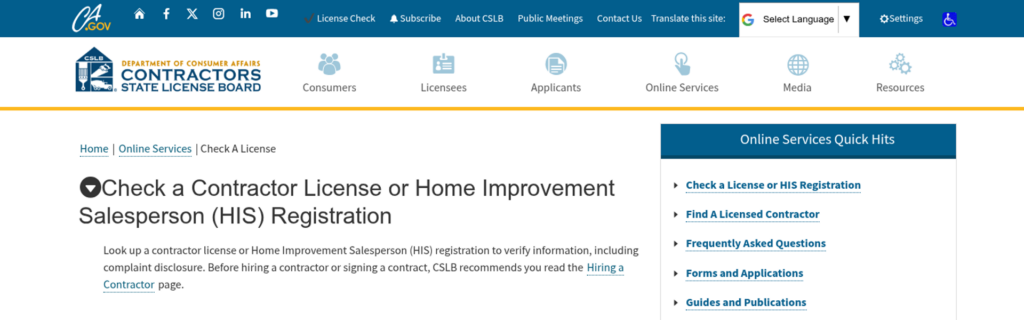
California's Senate Bill 216, signed into law in 2022, is systematically eliminating the workers' compensation exemption for licensed contractors. The state isn't flipping the switch overnight - it's rolling out the requirement in phases, trade by trade. Phase 1 already took effect in 2023 and pulled a few contractor classifications into the mandate immediately. With a legislative adjustment pushing the final deadline to 2028, the remaining trades have a window to prepare - but that window is shorter than it might feel.
Whether you've been tracking this law since it passed or you're hearing about it for the first time, the core message is the same: if you hold a California contractor's license and work for yourself, workers' compensation coverage is becoming an absolute requirement. This isn't a niche regulatory update buried in fine print - it can directly affect how you work, how you bid jobs, and your license if you don't comply.
I'll break down what SB 216 requires, which contractor classifications are affected and when, what the 2028 deadline actually means for your business, and what steps you should be taking to stay ahead of it.
Key Takeaways
- SB 216 eliminates workers' comp exemptions for California licensed contractors, requiring coverage regardless of having employees on payroll.
- Phase 1 began January 1, 2023, covering C-8, C-20, C-22, and D-49 license classifications due to high injury risks.
- Phase 2 universally mandates coverage for all CSLB license types by January 1, 2028, extended from the original 2026 deadline.
- Only an estimated 9-10% of contractors will qualify for exemptions, limited to true solo operators with no hired help whatsoever.
- CSLB's verification process launches January 1, 2027; non-compliance risks license denial, penalties, and liability exposure.
What SB 216 Actually Changes for Licensed Contractors
For a long time, California contractors who had no employees on payroll could skip workers' compensation insurance entirely. That exemption made sense on paper - if you have no workers, who are you covering? But in practice, it created a loophole that left workers unprotected on job sites.
SB 216 closes that loophole. Once the law is in effect, nearly all licensed contractors in California are going to need to carry workers' comp coverage, regardless of if they have any employees on record.
The California Contractors State License Board, the CSLB, sponsored this bill. That matters because the CSLB is the body that licenses and regulates contractors in the state, so this wasn't a rule handed down from outside the industry. The CSLB pushed for it because of two persistent problems: worker misclassification and uninsured workers hurt with no recourse.
Misclassification happens when a contractor pays someone as an independent subcontractor to get around payroll laws. But that person is functionally an employee - it's a well-documented practice that keeps labor costs low for the contractor and leaves workers exposed. When someone gets injured under that arrangement, there's no coverage to pay for their medical bills or lost wages.
That's the problem SB 216 is trying to fix.
Under the old framework, a solo contractor could claim the no-employee exemption, hire workers as "subs," and face little pressure to carry any insurance at all. The injured worker would be left in a tough spot and the contractor had minimal accountability. SB 216 was built to change that by making coverage the default - not the exception.
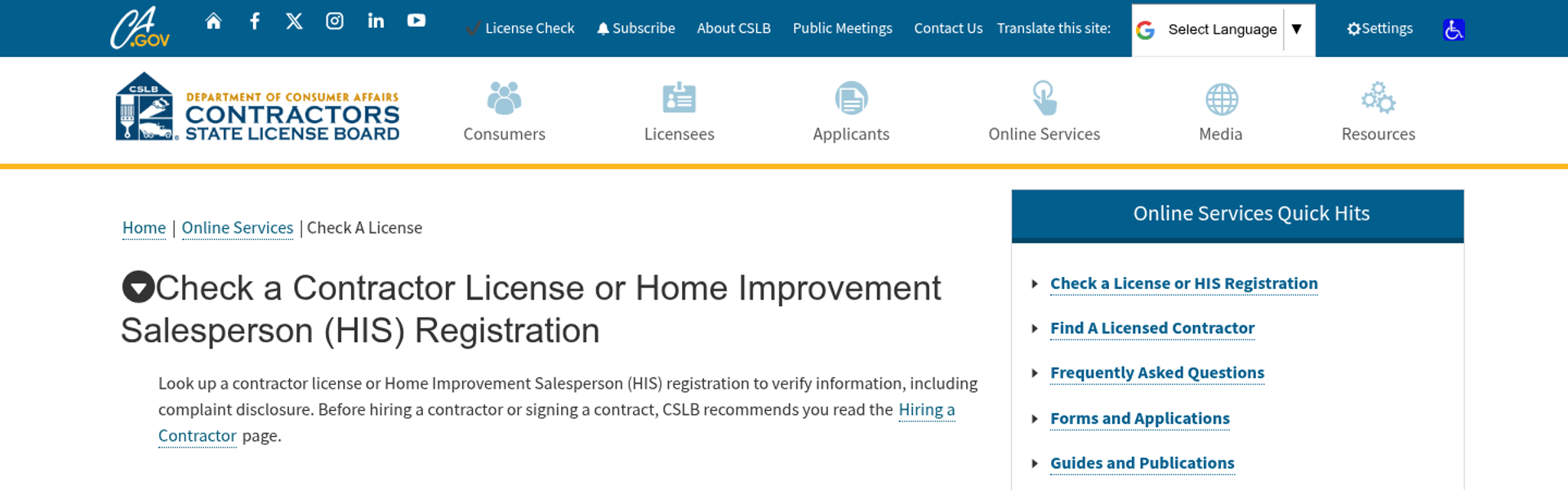
It's also worth noting what this law does not do - it doesn't change how workers' comp works or what it covers, and it doesn't restructure licensing categories. What it does is expand who is required to have a policy in place to obtain or renew a contractor's license in California.
If you ignore this and let your license come up for renewal without the right coverage, the CSLB can deny that renewal. Operating with a lapsed or denied license in California is a separate legal problem on top of the insurance gap, so the stakes compound faster. You can learn more about general liability and related coverage options that many contractors also need to consider.
This section of law applies across license classifications, though there's a small number of narrow exemptions. The wider point is that most licensed contractors who have been operating without workers' comp are going to need to rethink that strategy before 2028.
The phase-in period exists to give contractors time to plan - not to delay indefinitely. Knowing what the law requires - a valid workers' comp policy as a condition of licensure - is the foundation for everything else that follows. Visit our Coverage Corner for more guidance on navigating insurance requirements like these.
The Phase-In Timeline: From 2023 to the 2028 Mandate
SB 216 didn't flip a switch for everyone at once. The legislature built in a two-phase strategy, starting with a smaller group of license types before expanding to the full contractor population.
Phase 1 took effect on January 1, 2023 and applied to four license classifications: C-8 (concrete), C-20 (HVAC and refrigeration), C-22 (asbestos abatement), and D-49 (tree service). These trades were prioritized because of the physical dangers of the work and a history of injury claims in those industries. If you hold one of these licenses and use workers, the workers' comp requirement has already been in effect for over a year.
Phase 2 is where it gets much bigger. The original version of SB 216 set a 2026 deadline for the universal mandate. But SB 1455 pushed that back two years to January 1, 2028. That gives contractors across all CSLB license types more time to get their paperwork and policies in order before renewal season hits.
| Phase | Effective Date | License Types Affected |
|---|---|---|
| Phase 1 | January 1, 2023 | C-8, C-20, C-22, D-49 |
| Phase 2 (Universal) | January 1, 2028 | All CSLB license types |
The two-year extension wasn't a sign that the legislature lost interest - it reflected feedback from smaller contractors and industry groups who said the original timeline didn't leave enough room to find affordable coverage or restructure how they work. The delay was a helpful response to legitimate implementation problems.
That said, 2028 will arrive whether or not you feel ready for it. The CSLB won't make exceptions based on how long you've been in business or how few workers you have on payroll - unless you fall into a very specific exemption category, which the next section covers in detail.
The more helpful way to remember the timeline is as a countdown with a fixed end point. Contractors who are still sole operators or who use subcontractors exclusively have time to review their structure and figure out what applies to them. But anyone who brings on employees - even part-time or seasonal - needs to treat 2028 as a hard deadline instead of a distant possibility.
The four-year window between now and 2028 is workable. Insurance markets can change, premiums can be planned for, and payroll systems can be adjusted slowly instead of all at once. If you're unsure where to start, reaching out to an insurance professional can help clarify your options. The phase-in strategy exists to make that possible.
Who Might Still Qualify for an Exemption - and How the CSLB Will Check
The exemption side of SB 216 is where things get tough for contractors. Right now, roughly 55% of licensees say that they have no employees - but under the proposed criteria, only an estimated 9-10% are expected to actually qualify for an exemption; it's a big gap and it matters.
The setups most likely to qualify are solo operations - a single licensed person who does the work themselves, takes on no subcontractors and has no one else on the job in any capacity. No helpers, no casual laborers, no family members paid to help.
The CSLB is expected to have a verification process in place by January 1, 2027. That gives the board time to build out a system before the 2028 mandate hits and it signals that exemption claims won't be taken at face value. Contractors who want to claim exempt status are going to need to back it up.
It's worth thinking carefully about whether you actually qualify. A lot of contractors are in a gray zone - they might not have W-2 employees, but they hire subcontractors to manage parts of a job. That arrangement might not hold up as a valid exemption depending on how the final laws are written.
The honest question to ask yourself is this: if someone audited your last 12 months of work, would your operation look like a true solo business? If the answer involves any hired help at all - even casual or informal - you're probably not in exemption territory.

There's also financial exposure for contractors who get this wrong. Claiming an exemption you don't qualify for could mean operating without coverage you're legally supposed to carry, which opens the door to licensing penalties and possible liability if something goes wrong on a job.
The contractors most likely to land in a legitimate exemption category are owner-operators who manage a narrow scope of work on their own and don't scale up with extra labor. A sole proprietor who does small specialty jobs, start to finish, without bringing anyone else in, is the clearest example; it's a narrow category and most contractors who run a functioning business won't fit it.
The CSLB's verification process will be the test. Once that system is live, the days of checking a box and moving on are likely over. Contractors who want to stay exempt will probably need to show their status in a more documented way than they've had to before.
If you're not sure where you fall, the safest move is to start thinking about it now - well before 2027 - so you have time to get coverage in place instead of scrambling later.
Steps to Take Before 2028 Catches You Off Guard

SB 216 represents an actual change in how California defines responsibility on the job site. For most contractors, compliance is easy - a matter of timing and preparation - not hardship. Getting your coverage in place early protects your license, your workers, and your ability to bid on jobs without interruption; it's just business. If you're also exploring other ways to protect your business, our full range of services covers everything from property to liability and beyond.
FAQs
What is California Senate Bill 216?
SB 216 is a California law signed in 2022 that eliminates workers' compensation exemptions for licensed contractors, requiring nearly all contractors to carry coverage regardless of whether they have employees on payroll.
Which contractor licenses were affected first by SB 216?
Phase 1, effective January 1, 2023, applied to C-8 (concrete), C-20 (HVAC), C-22 (asbestos abatement), and D-49 (tree service) license classifications, prioritized due to their high injury risks.
When does the universal workers' comp mandate take effect?
The universal mandate takes effect January 1, 2028, extended from the original 2026 deadline by SB 1455, covering all CSLB license types.
Can solo contractors still be exempt from SB 216?
Only an estimated 9-10% of contractors will qualify for exemptions, limited to true solo operators who perform all work themselves with absolutely no hired help, subcontractors, or casual laborers.
What happens if a contractor doesn't comply by 2028?
Non-compliant contractors risk license denial or non-renewal by the CSLB, licensing penalties, and significant liability exposure if a worker is injured without proper coverage in place.
With over 25 years of combined experience in the Insurance Industry and excellent custom service, we are your trusted local brokers specializing in all types of insurance solutions.